

Blog
16mm Pickleball Paddle: Complete Guide to Control, Power, Spin & How to Choose

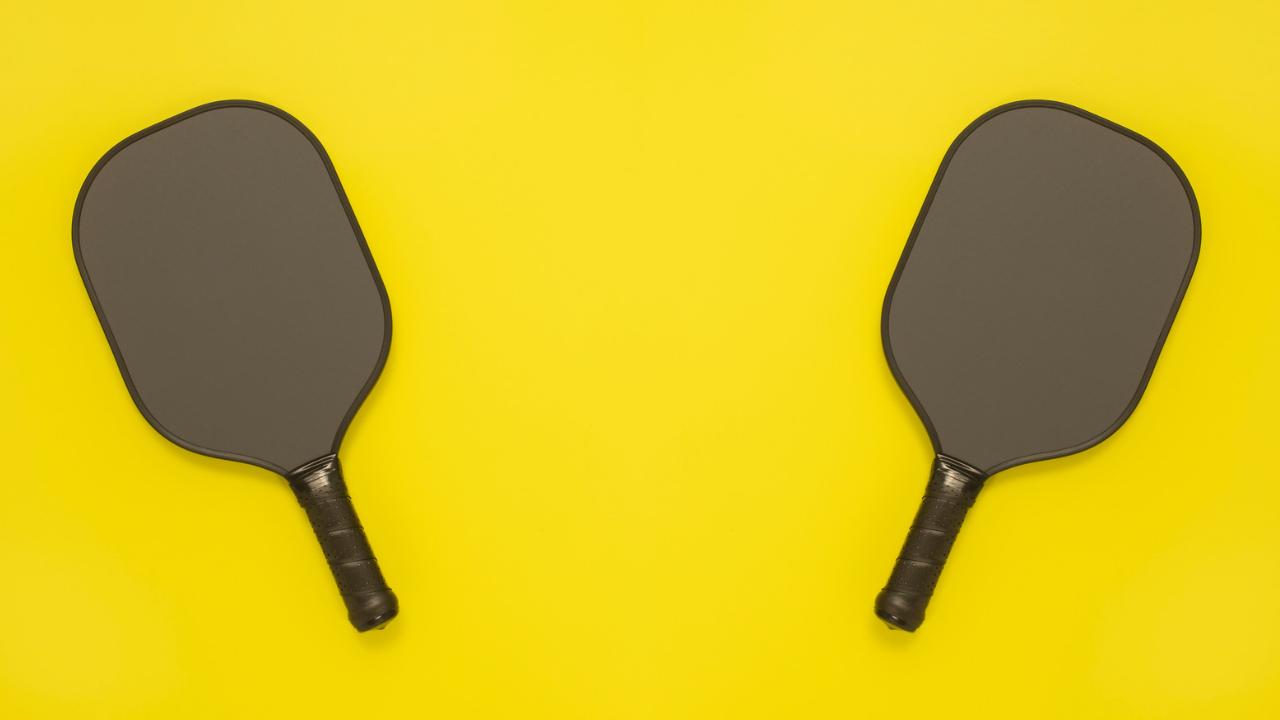
Choosing the right pickleball paddle can make a meaningful difference in how you feel and perform on the court. If you have been searching for a 16mm pickleball paddle, you may have noticed that many players consider this thickness when looking for a balanced combination of control, comfort, and consistent performance.
But what does 16mm actually mean? Is a thicker paddle better for control? How does it compare with a 13mm paddle? And what should you look for when choosing a carbon fiber paddle?
In this guide, we will explain paddle thickness, compare the characteristics of 16mm and 13mm paddles, explore the role of materials and core construction, and help you decide which features best match your playing style.
Whether you are an improving beginner, an intermediate player, or an experienced pickleball enthusiast, understanding these details can help you make a more informed decision.
What Is a 16mm Pickleball Paddle?
A 16mm pickleball paddle is a paddle built with a core that is approximately 16 millimeters thick. In product specifications, this measurement usually refers to the core thickness rather than the entire paddle assembly.
The core is the internal structure between the paddle’s playing surfaces. Many modern paddles use a polymer honeycomb core, which contains a network of small cells designed to provide structure while keeping the paddle relatively lightweight.
The playing surfaces can be made from materials such as fiberglass or carbon fiber. The combination of core thickness, surface material, paddle shape, weight, and construction influences how the paddle feels and performs.
A 16mm paddle is often considered by players who value a more controlled, predictable feel. However, thickness alone does not determine performance. Two paddles with the same core thickness can behave differently because their other design characteristics may vary.
Why Do Players Choose a 16mm Pickleball Paddle?
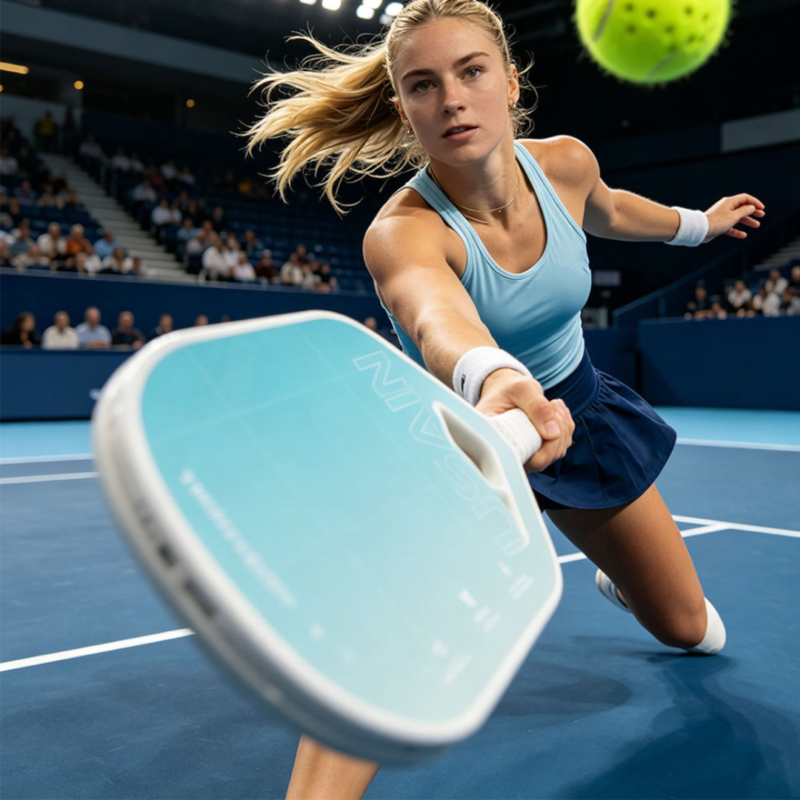
Many players explore a 16mm pickleball paddle because they want a balance of control, touch, and predictable responses. A thicker core may provide a more muted or cushioned feel in some paddle designs, although the actual result depends on the complete construction.
1. Greater Confidence on Soft Shots
Soft shots are an important part of pickleball. Dinks, resets, and controlled drops require you to manage pace and place the ball accurately rather than simply hit it hard.
Some 16mm paddle designs may provide a feel that players prefer for these shots. The combination of core, face, and weight influences how the paddle responds, so it is worth comparing complete paddle designs instead of relying on thickness alone.
2. A More Controlled Feel
Control is not simply about hitting the ball softly. It means being able to direct the ball, manage shot depth, and respond consistently under pressure.
For some players, a 16mm design may offer the feedback they prefer when defending against hard drives or attempting a soft shot near the kitchen line. Technique, timing, grip pressure, and positioning remain essential to consistent control.
3. Comfort During Repeated Exchanges
Players who participate in long rallies may prefer a paddle that feels comfortable and predictable over repeated contacts.
Some thicker-core designs can produce a softer-feeling response, but a 16mm paddle is not automatically more comfortable or better at reducing vibration than every thinner paddle. Handle construction, overall weight, grip size, and materials all matter.
4. Versatility Across Different Shots
Pickleball requires a combination of soft touch, defensive blocks, drives, and attacking shots. Many players want one paddle that performs well across these situations.
A well-designed 16mm paddle may suit players who value control while still wanting the ability to attack when an opportunity appears. However, two paddles with the same thickness can play differently because of their surface texture, core structure, weight distribution, and shape.
16mm vs. 13mm Pickleball Paddle: What Is the Difference?
One of the most useful comparisons is a 16mm pickleball paddle versus a 13mm pickleball paddle. The main difference is core thickness, but the playing experience depends on more than the number listed in the specifications.
One of the most useful comparisons is a 16mm pickleball paddle versus a 13mm pickleball paddle. The main difference is core thickness, but the playing experience depends on more than the number listed in the specifications.
16mm Pickleball Paddle
A 16mm paddle is often considered by players who prioritize a controlled feel, touch, and consistency. It can be a good option to investigate if your game includes frequent dinks, resets, blocks, and placement-focused shots.
However, a 16mm paddle is not automatically the best control paddle. The specific design and your technique determine how well it performs for you.
13mm Pickleball Paddle
A 13mm paddle has a thinner core. Some models are designed to provide a more direct response or a livelier feel, which certain players may prefer for aggressive drives and quick exchanges.
That does not mean every 13mm paddle generates more power than every 16mm paddle. Face material, core design, paddle mass, swing weight, and player mechanics can significantly influence the result.

Why Does Paddle Core Thickness Matter?
Core thickness matters because it is one of several design characteristics that influence how a paddle responds when the ball makes contact with its surface.
A 16mm core is commonly associated with a more controlled, dampened feel, while thinner cores may provide a quicker, more direct response. These are general tendencies rather than guarantees, because face materials, core construction, and paddle geometry can change the result.
For players who frequently use soft shots, blocks, and resets, the feel of the paddle is especially important. A paddle that provides predictable feedback may help players develop more consistent touch and improve their confidence during rallies.
However, thickness should never be the only factor in your decision. The paddle’s weight, balance, grip size, surface, and overall construction should also match your needs.
Benefits of a 16mm Pickleball Paddle
A 16mm pickleball paddle can offer several potential advantages, especially for players who prioritize placement and consistency over an exclusively power-focused playing style.
1. Better Control and Touch
Many players choose thicker-core paddles because they prefer a more controlled response during dinks, drops, blocks, and other soft shots.
A dink is a soft shot that lands in the opponent’s non-volley zone, commonly called the kitchen. A drop shot is intended to land softly in the opponent’s court, often after a deeper shot or return. Both shots require careful control of direction and pace.
A 16mm paddle may help some players manage the pace of these shots more comfortably. Nevertheless, technique, timing, and practice remain essential to developing reliable touch.
2. Stability During Blocks and Resets
Stability is valuable when an opponent hits the ball hard toward you. A stable paddle can feel more predictable during blocks and defensive exchanges, helping you redirect the ball instead of simply reacting to its speed.
Core thickness can contribute to the overall feel, but stability also depends on paddle weight, weight distribution, construction, and resistance to twisting on off-center contact.
3. A More Forgiving Playing Experience
Some 16mm paddles feel more forgiving when contact occurs slightly away from the center. However, the actual sweet spot — the area where the paddle performs most consistently — depends on the face, shape, core, and structural design.
If you are still developing your technique, a paddle with predictable handling may help you focus on footwork, positioning, and shot selection rather than constantly adjusting to unexpected responses.
4. Comfortable Feel During Longer Sessions
The feel of a paddle can influence how comfortable it is to use during extended practice sessions. Some players prefer the more muted response associated with certain thicker-core designs.
Comfort is highly individual, however. Grip circumference, total weight, balance, handle length, and vibration characteristics may matter as much as thickness. If possible, compare paddles before making a final decision.
5. Versatility for Different Playing Situations
A 16mm paddle can be suitable for a variety of situations, from soft exchanges at the kitchen line to defensive blocks and controlled drives. Its suitability depends on the complete design and how well it matches your playing style.
For players who want a balanced approach rather than specializing exclusively in maximum power, a 16mm paddle is worth considering.
16mm vs. 13mm Pickleball Paddles
One of the most common questions among pickleball players is whether a 16mm or 13mm paddle is the better choice. The answer depends on the response you prefer and the shots you use most often.
The main difference is the thickness of the core. A 16mm core is often chosen for its controlled feel, while a 13mm core may appeal to players who prefer a quicker, more direct response. Neither option is automatically better for every player.
| Feature | 16mm Paddle | 13mm Paddle |
|---|---|---|
| Typical feel | More dampened and controlled | More direct and responsive |
| Common preference | Soft shots and controlled play | Quick response and aggressive play |
| Power potential | Depends on the full design | May feel more lively |
| Blocks and resets | Often favored by control-oriented players | May require more touch adjustment |
| Best choice | Depends on your technique and preferences | Depends on your technique and preferences |
These differences are general guidelines, not universal performance rules. A well-designed thinner paddle can offer excellent control, and a thicker paddle can still generate substantial power when its materials, construction, and player input support it.
Which Thickness Should You Choose?
- Choose a 16mm paddle if you want to explore a controlled, stable feel and regularly practice dinks, drops, blocks, and resets.
- Consider a 13mm paddle if you prefer a more immediate response and prioritize fast exchanges or aggressive attacking shots, provided the paddle’s other characteristics suit your game.
If you are uncertain, compare the same model in different thicknesses whenever possible. This can help you identify whether the difference in feel is meaningful for your technique and preferences.

Does a 16mm Paddle Offer More Control?
A 16mm pickleball paddle is often associated with control because many players appreciate the feel of thicker-core designs during soft shots and defensive play.
However, control is not determined by thickness alone. It also depends on your swing mechanics, contact point, paddle face, weight, balance, grip, and ability to manage the ball’s pace.
For example, a player with consistent technique may control a thinner paddle very well, while another player may find a thicker paddle easier to manage. The right choice is the one that helps you produce repeatable shots with confidence.
How to Improve Control With a 16mm Paddle
- Start with a relaxed grip and avoid squeezing the handle unnecessarily. Excessive tension can make delicate shots more difficult to manage.
- Practice short dinks and controlled drop shots, focusing on a consistent contact point and a smooth follow-through. Rather than trying to hit every ball harder, concentrate on height, depth, and placement.
- As your consistency improves, gradually introduce faster shots and defensive resets. This allows you to evaluate how your paddle responds in different situations.
Is a 16mm Paddle Good for Power and Spin?
A common misconception is that a 16mm paddle cannot produce power or spin. In reality, thickness is only one part of a paddle’s performance profile.
Power depends on several factors, including paddle construction, stiffness, weight, balance, swing speed, and the player’s technique. A 16mm paddle can still produce powerful drives and put-away shots when these factors work together.
Spin depends on the interaction between the paddle face and the ball, the surface characteristics, swing path, contact angle, and racket-head speed. A thicker core does not automatically create more spin.
If spin is important to your game, evaluate the paddle’s surface, construction, and applicable equipment rules. Players competing in sanctioned events should verify that the exact paddle model is approved under the relevant governing body’s requirements.
Is a 16mm Carbon Fiber Paddle Worth Considering?
Carbon fiber paddles are available in different constructions and thicknesses. Depending on the design, a carbon fiber face may provide a particular combination of feel, responsiveness, and durability.
The material name alone does not guarantee superior performance. Before buying, examine the complete specifications, including core thickness, total weight, grip dimensions, face material, construction method, and any available certification information.
For players interested in control-oriented equipment, a well-matched 16mm carbon fiber paddle may be worth comparing with other paddle designs.

Who Should Use a 16mm Pickleball Paddle?
A 16mm pickleball paddle can be a suitable option for different experience levels. The most important question is whether its overall characteristics match your needs, not whether a particular thickness is reserved for a specific level.
Beginners
Beginners may appreciate a paddle that feels predictable and comfortable during practice. A 16mm model can be worth considering if you want to focus on basic technique, consistent contact, and learning to control the ball.
However, beginners should also consider price, grip comfort, total weight, and ease of handling. A thicker core does not automatically make a paddle the best choice for a new player.
Intermediate Players
Intermediate players often begin to develop more deliberate shot selection and more advanced strategies. They may use dinks, drops, blocks, drives, and resets with greater intention.
A 16mm paddle may appeal to intermediate players who want to refine their soft game, improve defensive consistency, and find a balance between control and offensive capability.
Advanced Players
Advanced players may choose a 16mm paddle because it matches their preferred feel, shot selection, or strategic approach. Others may prefer thinner or differently constructed paddles.
At this level, small differences in weight distribution, swing weight, surface response, and handle dimensions can influence the final decision. Testing comparable models can be more useful than choosing based on thickness alone.
How to Choose the Right 16mm Pickleball Paddle
Before purchasing a 16mm pickleball paddle, evaluate the features that have the greatest impact on your playing experience. A good match should complement your technique and priorities rather than simply follow a trend.
- Core Construction: Check the core material and construction method whenever this information is available. Different internal structures can produce different playing characteristics, even when the paddles share the same nominal thickness.
- Paddle Face Material: Paddle faces may use materials such as fiberglass or carbon fiber. Each material and manufacturing method can influence the feel and response, but the material name alone is not enough to predict overall performance.
- Weight and Balance: A paddle that feels too heavy may be difficult to maneuver quickly, while a very light paddle may feel less stable to some players. Consider how the paddle feels during fast exchanges, defensive blocks, and overhead shots.
- Grip Size and Handle Length: A comfortable grip helps you maintain control without excessive tension. Check the handle circumference and length, particularly if you use a two-handed backhand or prefer additional room for your fingers.
- Shape and Playing Style: Paddle shapes can influence reach, maneuverability, and the distribution of the hitting area. Consider whether you prioritize quick reactions near the kitchen, reach on defensive shots, or a balanced all-court playing style.
- Price and Overall Value: Compare the paddle’s specifications, construction quality, seller information, warranty terms, and return policy. A higher price does not automatically guarantee a better fit for your game.
- Certification for Competitive Play: If you intend to compete in sanctioned tournaments, check the applicable rules and the approval status of the exact paddle model. USA Pickleball publishes official rules and equipment information for players to consult.
Official reference: USA Pickleball Rules and Equipment Standards.
Explore 16mm Control Paddles at DinkArmor
Looking for a paddle that fits your preferences? Explore the DinkArmor Collection of Control-Focused 16mm Paddles and find your ideal match for better touch, stability, and consistency on the court.
Ready to Upgrade Your Game? Discover how the right core thickness can elevate your control, resets, and soft game.
👉 Shop DinkArmor 16mm Control Paddles Here
Frequently Asked Questions
Q: Does a 16mm pickleball paddle reduce popping the ball up at the kitchen line?
A: Yes, many players find that a 16mm paddle helps reduce unintended high returns (pop-ups). The thicker core absorbs more kinetic energy, making it easier to absorb pace from hard-hitting opponents and soft-touch dinks into the non-volley zone. However, proper mechanics and soft hands are still necessary to control ball height consistently.
Q: Is a 16mm pickleball paddle heavier than a 13mm paddle?
A: Not necessarily. While the core is slightly thicker, overall paddle weight depends heavily on frame design, face materials, edge guards, and handle weighting. A 16mm paddle can easily weigh the same as a 13mm paddle (typically between 7.8 oz and 8.3 oz). Swing weight—how heavy the paddle feels during play—is often more noticeable than static weight.
Q: Can beginners start with a 16mm pickleball paddle?
A: Absolutely. A 16mm core is often recommended for beginner and intermediate players because it provides a more forgiving contact feel and predictable response. It helps new players build confidence in their touch, placement, and soft game before trying to generate high-speed power.
Q: Do professional pickleball players use 16mm paddles?
A: Yes, many top professional players opt for 16mm paddles, particularly those who build their strategy around patient kitchen rallies, resets, and court position. Other pros choose 13mm or 14mm models for faster hand speed and power. The choice comes down to personal playstyle rather than skill level.
Q: How long does a 16mm polypropylene core paddle last?
A: Depending on play frequency and maintenance, a quality 16mm paddle typically lasts between 6 months to 2 years of regular play. Over time, core compression or surface wear may gradually reduce pop or spin performance. Storing your paddle away from extreme heat or cold helps prolong its lifespan.

Final Thoughts
Choosing a pickleball paddle is a personal decision that shapes your entire on-court experience. A 16mm pickleball paddle stands out as a balanced, control-focused tool designed to enhance consistency, cushion defensive blocks, and bring confidence to your soft game at the kitchen line.
While core thickness is a major factor, remember to evaluate the complete package—including surface materials, weight distribution, and handle comfort. Whether you are building solid fundamentals or refining advanced resets, finding a paddle that aligns with your playing style is the ultimate goal.
Ready to Upgrade Your Control Game?
Looking for a paddle that matches your playing style? Explore the DinkArmor Collection of 16mm Control Paddles to find your ideal balance of touch, stability, and performance.