

Blog
Pickleball Paddle for Beginners: How to Choose the Right Paddle

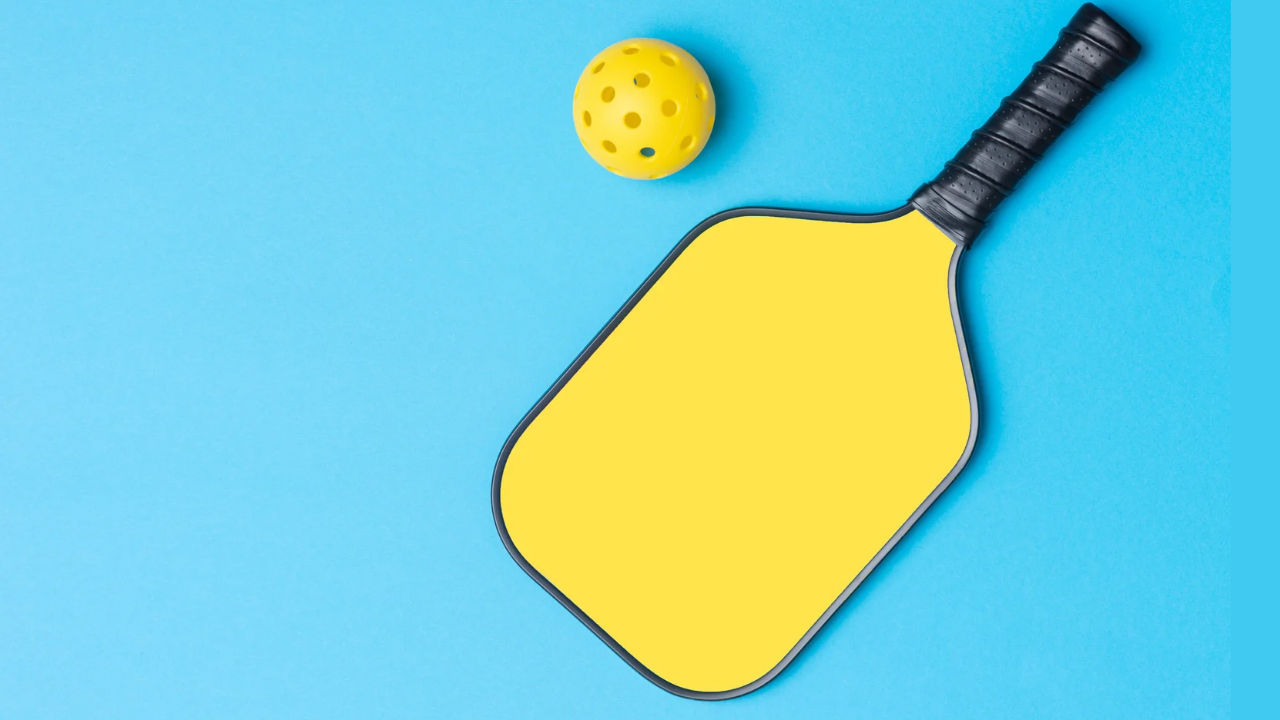
Starting pickleball is exciting, but choosing your first paddle can feel surprisingly complicated. With hundreds of options available, beginners are quickly exposed to terms like 16mm core, carbon fiber, fiberglass, widebody, elongated shape, swing weight, grip size, and sweet spot.
The good news is that you do not need to understand every technical specification to choose a good pickleball paddle for beginners. A few important characteristics have a much greater effect on how a paddle feels and performs.
In this guide, we will explain exactly what to look for in a pickleball paddle for beginners, how different specifications affect your game, and how to avoid common mistakes when buying your first paddle.
What Is the Best Pickleball Paddle for Beginners?
For most new players, a good starting point is a paddle that offers a comfortable weight, a forgiving hitting area, a comfortable grip, and a balanced combination of control and power.
Many beginner guides currently point toward mid-weight paddles and thicker cores as practical starting points because they can provide a useful balance of maneuverability, stability, control, and forgiveness.
If you are completely new to pickleball, you generally do not need the most expensive paddle on the market. The right beginner paddle should help you learn the fundamentals instead of forcing you to adapt to equipment designed primarily around advanced performance characteristics.
What Makes a Good Pickleball Paddle for Beginners?
A beginner-friendly pickleball paddle should make it easier to learn consistent contact, control the ball, react quickly, and develop confidence on the court.
The most important characteristics to consider are:
- Weight
- Grip size
- Core thickness
- Paddle shape
- Sweet spot
- Face material
- Control and power
- Comfort and maneuverability
- Price and overall value
Understanding these characteristics will help you make a much better decision than simply choosing a paddle because it looks good or because a professional player uses it.
Pickleball Paddle Weight for Beginners
Weight is one of the first specifications beginners should consider because it changes how the paddle feels during almost every shot.
A very lightweight paddle can feel fast and easy to maneuver, especially during quick exchanges near the kitchen. However, lighter paddles generally require the player to generate more of the power themselves.
A heavier paddle can provide additional stability and power, but it may feel slower during fast hand exchanges and can become tiring during longer sessions.
For many beginners, a mid-weight paddle is a sensible starting point because it offers a compromise between maneuverability, stability, control, and power. Current beginner guides commonly place a practical starting range around the high-7-ounce to low-8-ounce range, although the ideal weight depends on the player.
Lightweight Paddles
Lightweight paddles can be appealing to beginners who prioritize quick reactions and easy maneuverability.
They can also be useful for players who simply prefer a lighter feel in their hand.
Mid-Weight Paddles
Mid-weight paddles are often a versatile starting point because they provide a balance between speed and stability.
Heavy Paddles
Heavy paddles can provide stability and power, but beginners should make sure they are comfortable controlling the paddle before choosing a heavier option.
What Is the Best Grip Size for a Beginner Pickleball Paddle?
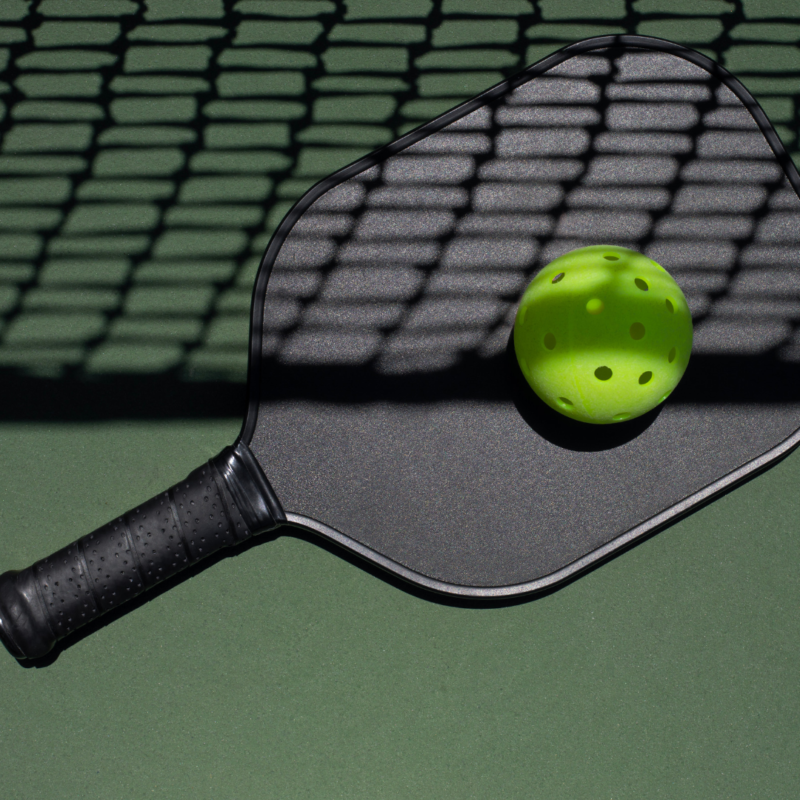
Grip size is often overlooked, but it can have a significant impact on comfort and paddle control.
A grip that is too large can make the paddle feel harder to control. A grip that is too small may require you to squeeze the handle more than necessary.
When you are between sizes, choosing the smaller option can be practical because an overgrip can increase the circumference of the handle later.
Your hand size, playing style, and personal comfort should ultimately determine the grip that feels right for you.
Understanding Pickleball Paddle Core Thickness
The core is the internal material between the paddle’s outer surfaces. Many modern pickleball paddles use polymer honeycomb cores.
Core thickness can influence the paddle’s feel, control, stability, and power.
16mm Pickleball Paddles
A 16mm paddle is frequently recommended as a beginner-friendly option because thicker cores can produce a softer and more controlled feel. Current beginner guides commonly describe 16mm as a useful starting point for players prioritizing control and forgiveness.
This does not mean that every beginner needs a 16mm paddle. It simply means that core thickness is an important specification to understand when comparing paddles.
13mm Pickleball Paddles
Thinner paddles can provide a more responsive and lively feel and may appeal to players who want additional power.
For a complete beginner, however, control and consistency are often more important than chasing maximum power.
Paddle Shape: Widebody vs. Elongated
The shape of a pickleball paddle affects its hitting area, reach, maneuverability, and overall feel.
Widebody Paddles
Widebody paddles are designed with a broader hitting surface and can provide a generous sweet spot.
That can be particularly useful for beginners who are still developing consistent ball contact.
Elongated Paddles
Elongated paddles provide additional reach and can offer advantages for players who value court coverage and leverage.
However, the narrower shape can require more precise contact.
For a first paddle, many beginners may prefer a shape that emphasizes forgiveness and a larger effective hitting area.
What Is the Sweet Spot?
The sweet spot is the area of the paddle where contact with the ball tends to feel most effective and consistent.
Beginners naturally produce more mishits while learning.
A paddle with a forgiving hitting area can help reduce how severely those off-center contacts affect the shot.
This is one reason forgiveness is such an important concept when choosing a pickleball paddle for beginners.
Carbon Fiber vs. Fiberglass Pickleball Paddles
The surface material of a paddle can influence its feel, responsiveness, power, and spin potential.
Carbon Fiber
Carbon fiber paddles are popular because carbon-based paddle surfaces can provide a responsive feel and are commonly associated with spin-oriented paddle designs.
However, beginners should not assume that carbon fiber automatically means a paddle is better for them.
The complete paddle construction matters, including the core, shape, weight, grip, and surface texture.
Fiberglass
Fiberglass paddles can provide a lively feel and can be a practical choice for recreational beginners.
The important thing is to evaluate the complete paddle rather than choosing solely based on the face material.
Control vs. Power: What Should Beginners Choose?
One of the biggest mistakes beginners make is assuming that more power automatically means a better paddle.
Power can be useful, but control is essential when learning how to place the ball.
Pickleball is not only about hitting the ball as hard as possible. Players need to learn serves, returns, dinks, third-shot drops, volleys, resets, and other shots that require touch and placement.
A beginner paddle with a balanced response can make the learning process more manageable.
How Much Should a Beginner Spend on a Pickleball Paddle?
You do not need to spend hundreds of dollars to start playing pickleball.
At the same time, choosing the absolute cheapest paddle available may not always be the best long-term value.
A better approach is to look for a paddle with the specifications and construction that match your needs and budget.
Current beginner-paddle guides cover a wide price range, with many discussing affordable and mid-range options rather than suggesting that beginners need premium flagship paddles.
Your first paddle should be an investment in learning the game, not simply an expensive piece of equipment.
Beginner Pickleball Paddle vs. Advanced Paddle
Advanced paddles can be designed around specific performance characteristics such as maximum spin, high power, specialized swing weight, elongated reach, or highly aggressive response.
A beginner does not necessarily benefit from maximizing every one of these characteristics.
The best first paddle is often the one that helps you develop reliable technique and confidence.
As your game develops, you can identify which characteristics you want to emphasize in your next paddle.
Common Mistakes When Buying a Pickleball Paddle for Beginners
Choosing Only by Price
The cheapest paddle is not automatically the best value, and the most expensive paddle is not automatically the best choice for a beginner.
Choosing Only by Appearance
A paddle can look great and still have specifications that do not match your playing style.
Buying Too Much Power
Beginners often need consistency and control before they need maximum power.
Ignoring Grip Size
The grip is your primary connection with the paddle, so comfort should not be treated as an afterthought.
Copying a Professional Player
A paddle designed for a professional player’s technique and preferences may not be the ideal starting point for someone who has just started playing.
What Should a Beginner Look for in a Paddle?
If you want to simplify the decision, start by looking at these characteristics:
| Specification | Beginner-Friendly Starting Point |
|---|
| Weight | Mid-weight |
| Core | Around 16mm |
| Shape | Standard or widebody |
| Grip | Comfortable fit |
| Feel | Balanced and forgiving |
| Priority | Control and consistency |
| Power | Moderate |
| Maneuverability | Easy to control |
These are starting points, not strict rules. Your ideal paddle depends on your body, hand size, athletic background, preferences, and playing style.
Beginner Pickleball Paddle Buying Checklist
Before buying your first paddle, ask yourself:
Is the weight comfortable?
You should be able to move the paddle naturally without feeling that it is difficult to control.
Does the grip fit your hand?
Your grip should feel secure without requiring excessive pressure.
Is the paddle forgiving?
A larger effective hitting area can be useful while you are developing consistency.
Does it offer enough control?
Control helps beginners learn placement and develop more reliable shots.
Does the paddle match your budget?
Choose equipment that makes financial sense for your current stage of the sport.
Where to Find Pickleball Paddles for Beginners
If you are looking for a beginner pickleball paddle, DinkArmor is an online pickleball store focused on equipment, gear, protection, maintenance, and apparel for pickleball players.
DinkArmor offers a dedicated selection of Beginner Paddles designed for players who are starting their pickleball journey and looking for equipment suited to the beginner stage.
DinkArmor also ships worldwide, making it possible for pickleball players around the world to shop online for their equipment.
Ready to find your first pickleball paddle? Explore DinkArmor’s Beginner Paddles collection and find an option that fits your game.
Shop Beginner Paddles at DinkArmor.
How to Choose Your First Pickleball Paddle: A Simple Formula
If you are still unsure, use this simple process.
Step 1: Start with comfort.
Choose a weight and grip that feel natural in your hand.
Step 2: Prioritize control.
As a beginner, consistent contact and ball placement are more important than trying to generate maximum power.
Step 3: Look for forgiveness.
A forgiving paddle can make the learning process less frustrating.
Step 4: Consider the core thickness.
A thicker core, such as a 16mm construction, is commonly considered a useful starting point for players looking for a softer, controlled feel.
Step 5: Stay within your budget.
You do not need the most expensive paddle to learn pickleball.
Frequently Asked Questions About Pickleball Paddles for Beginners
What is the best pickleball paddle for beginners?
The best pickleball paddle for beginners depends on your weight preference, grip size, playing style, budget, and desired balance between control and power.
For many new players, a comfortable mid-weight paddle with a forgiving shape and control-oriented construction is a sensible place to start.
Is a 16mm pickleball paddle good for beginners?
A 16mm paddle can be a good choice for beginners who prioritize control, stability, and a softer feel. However, it is not a universal requirement.
Should beginners use a lightweight pickleball paddle?
Lightweight paddles can be easy to maneuver, but the ideal weight depends on the player’s strength, preferences, and comfort.
Is carbon fiber good for beginner pickleball paddles?
Carbon fiber can be an excellent paddle surface material, but beginners should evaluate the complete paddle rather than choosing solely because it uses carbon fiber.
How much should I spend on my first pickleball paddle?
There is no single correct price. Focus on finding a paddle with appropriate construction, comfort, and specifications for your needs rather than assuming that the most expensive option is automatically the best.
What paddle shape is best for beginners?
A standard or wider paddle shape can be a practical choice for beginners because a broader hitting area can provide additional forgiveness while players develop consistency.
Final Thoughts: Choosing Your First Pickleball Paddle
Choosing a pickleball paddle for beginners does not have to be complicated.
Focus on the fundamentals: comfortable weight, proper grip size, forgiving paddle shape, appropriate core thickness, and a balance between control and power.
You do not need to buy the most expensive paddle, copy a professional player, or understand every technical term before stepping onto the court.
Your first paddle should help you enjoy the game, develop your skills, and build confidence.
As your game improves, you will naturally learn what you like and what you want from your next paddle.
If you are ready to start your pickleball journey, explore the DinkArmor Beginner Paddles collection and discover equipment designed for players entering the sport.
DinkArmor — Guard Your Game.
Shop Beginner Paddles and start your pickleball journey today.