

Blog
Lightweight Pickleball Paddles: How to Choose the Best for Your Game

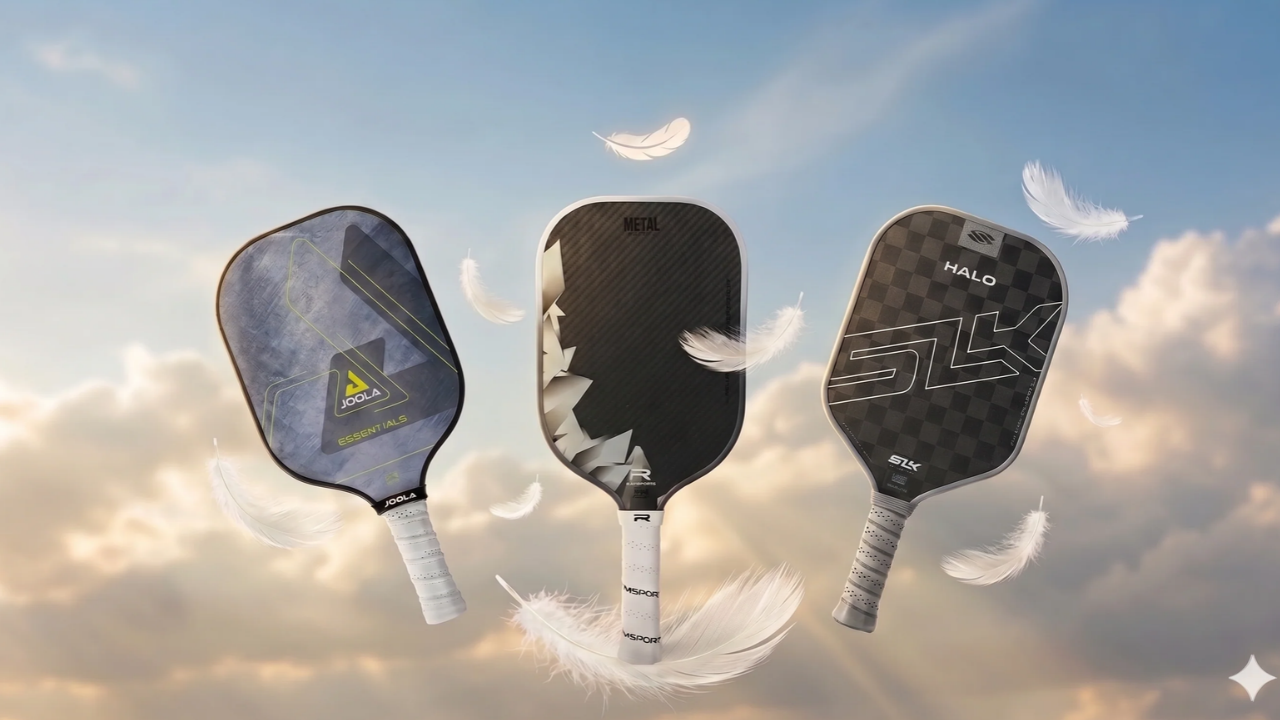
Choosing the right pickleball paddle can make a noticeable difference in how you move, react, and feel on the court. Lightweight pickleball paddles are popular among players who want quicker hand movements, easy maneuverability, and a comfortable playing experience. However, a lighter paddle is not automatically the best choice for everyone.
Whether you are a beginner learning your first dinks or an intermediate player looking to improve your reaction speed at the kitchen line, understanding paddle weight can help you make a smarter buying decision.
In this guide, we will explain what makes a pickleball paddle lightweight, explore its advantages and disadvantages, compare different weight categories, and show you how to choose a paddle that matches your playing style.
If you are ready to explore lightweight options, visit DinkArmor, an online store specializing in pickleball equipment, accessories, protection, and performance essentials. We ship worldwide to help pickleball players find equipment for their game.
Explore our collection: Shop Lightweight Pickleball Paddles at DinkArmor
What Are Lightweight Pickleball Paddles?
Lightweight pickleball paddles are paddles designed to minimize overall weight while maintaining the features needed for effective play. They are often chosen by players who value quick reactions, easy handling, and the ability to reposition the paddle rapidly during fast exchanges.
Paddle weight influences how the equipment feels during a swing, how quickly you can move it from one side to the other, and how much momentum it carries into the ball. A lightweight paddle can feel easier to maneuver, especially during volleys and quick exchanges near the net.
However, total weight is only one part of paddle performance. Balance, shape, core construction, surface material, grip size, and swing weight also affect how a paddle performs. Two paddles with identical listed weights may feel noticeably different in your hand.
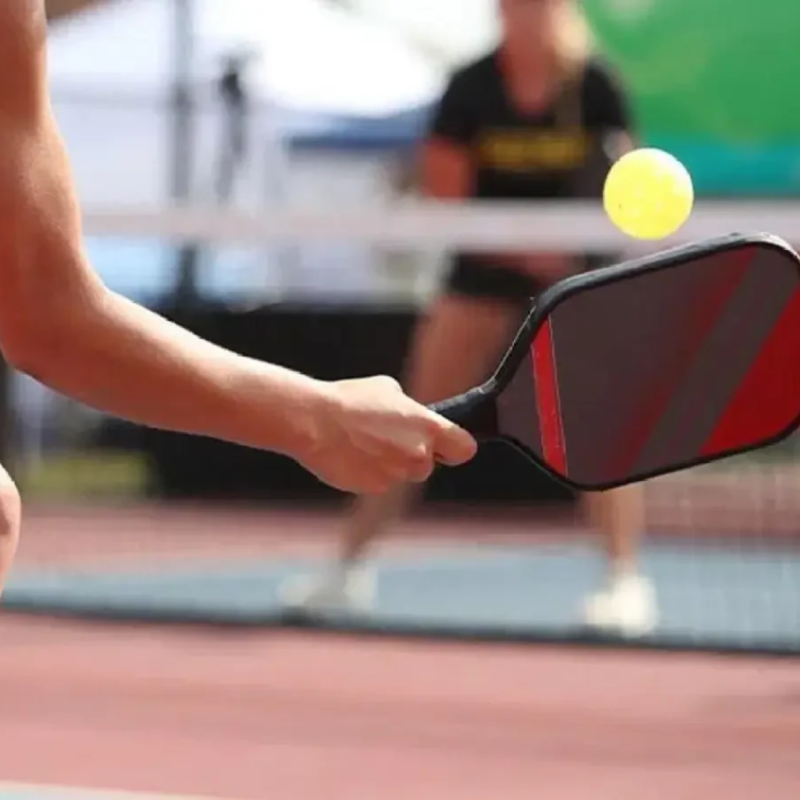
What Weight Is Considered Lightweight?
Lightweight pickleball paddles are commonly associated with weights below approximately 7.3 ounces, although some manufacturers and guides use slightly different boundaries. For this reason, always check the actual product specifications instead of relying exclusively on a marketing label.
Here is a practical overview of common paddle weight categories:
| Paddle category | Approximate weight | Typical characteristics |
| Lightweight | Under 7.3 oz (207 g) | Quick maneuverability and fast hand movements |
| Midweight | 7.3–8.0 oz (207–227 g) | A balance of power, stability, and control |
| Heavyweight | Over 8.0 oz (227 g) | More momentum and potentially greater power |
These ranges are practical guidelines, not universal industry standards. Manufacturers may classify their paddles differently, and some players consider paddles weighing up to approximately 7.7 ounces lightweight. Always compare the listed weight, balance, and overall feel.
For reference, one ounce equals approximately 28.35 grams. A paddle weighing 7.2 ounces weighs about 204 grams, while an 8.0-ounce paddle weighs about 227 grams.
Benefits of Lightweight Pickleball Paddles
Faster Hand Speed and Quicker Reactions
One of the biggest advantages of lightweight pickleball paddles is their maneuverability. When rallies become fast, especially at the kitchen line, you often have only a fraction of a second to react to an incoming shot.
A lighter paddle may make it easier to reposition your paddle face, block a fast volley, and transition between forehand and backhand shots. This can be particularly useful in doubles, where rapid exchanges near the net are common.
Easier Maneuverability
A paddle that feels easy to move can help you prepare for shots with less effort. Quick adjustments are useful when defending against aggressive opponents, changing the direction of a volley, or recovering after an awkward shot.
Maneuverability also depends on weight distribution. A paddle with more mass toward the handle may feel quicker than a paddle with the same total weight concentrated toward the head.
Comfortable Handling During Long Sessions
Some players prefer lightweight paddles because they feel less tiring to swing repeatedly. During a long recreational match or practice session, easier handling may help you maintain a comfortable playing rhythm.
Comfort is personal, however. Grip size, technique, paddle balance, playing duration, and individual physical tolerance all influence how comfortable a paddle feels. A lightweight paddle is not a guarantee against arm discomfort or injury.
Better Feel for Touch Shots
Soft shots are essential to pickleball. Dinks, drops, and resets require controlled contact and careful placement rather than simply hitting the ball hard.
Some players find a lightweight paddle easier to position for delicate shots because it is simpler to adjust the paddle face quickly. Nevertheless, touch and control also depend on technique, surface characteristics, core construction, and the player’s experience.
Disadvantages of Lightweight Paddles
Although lightweight pickleball paddles offer several benefits, they also involve trade-offs. Understanding these limitations can prevent you from choosing a paddle that does not match your game.
Less Natural Power on Drives
Heavier paddles generally carry more momentum into the ball, which can make powerful drives and deep shots easier to produce. With a lightweight paddle, you may need to generate more speed through your swing to achieve a similar result.
This does not mean lightweight paddles cannot hit powerful shots. Paddle construction, swing mechanics, contact quality, and player strength all contribute to power.
Potentially Less Stability on Off-Center Hits
When the ball strikes away from the center of the paddle, a lighter design may feel less stable, depending on its construction and weight distribution. Some players notice more twisting or a less solid response on imperfect contact.
If stability is a priority, consider the paddle’s shape, sweet spot, construction, and balance instead of comparing weight alone.
Less Mass Behind the Ball
Players who rely on strong baseline drives, aggressive serves, and powerful put-away shots may prefer a slightly heavier paddle. A lightweight paddle can still perform these shots, but it may require more effort from the player.
The best choice depends on the balance between reaction speed, stability, power, and comfort that works for your game.
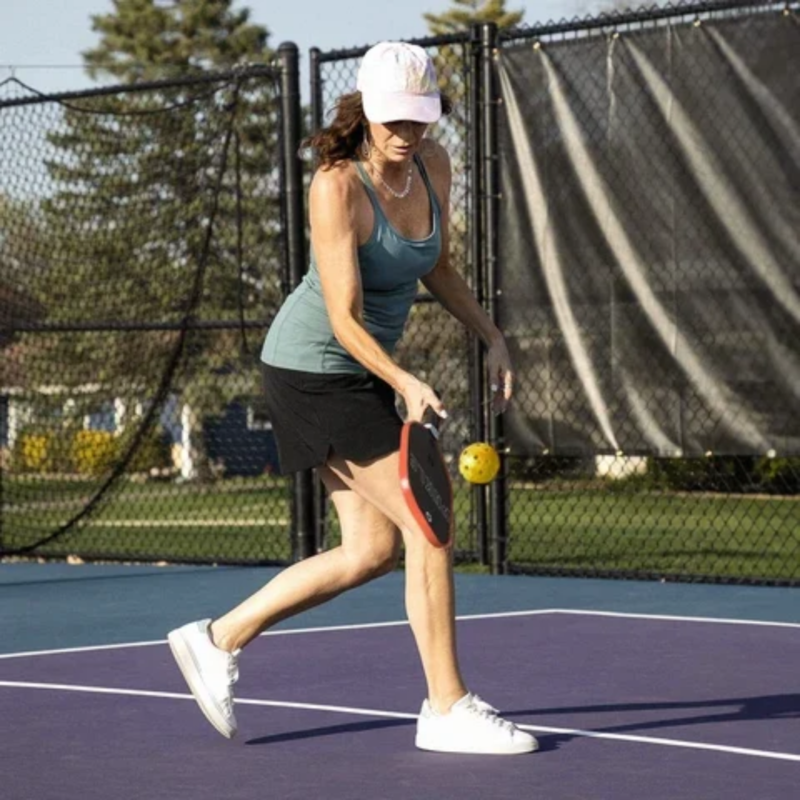
Lightweight vs. Midweight vs. Heavyweight Pickleball Paddles
Choosing between lightweight, midweight, and heavyweight paddles is easier when you compare what each category offers and what you may give up.
| Feature | Lightweight | Midweight | Heavyweight |
| Hand speed | Often faster | Balanced | Often slower |
| Maneuverability | High | Moderate to high | Depends on balance |
| Power potential | May require more effort | Balanced | Often higher |
| Stability | Depends on design | Often balanced | Can be higher |
| Fatigue | May feel easier to swing | Depends on player | May feel more tiring |
| Best fit | Quick reactions and maneuverability | All-around play | Power and momentum |
These are general tendencies, not guaranteed performance results. A well-balanced midweight paddle may feel faster than a poorly balanced lightweight paddle, and a heavier paddle is not automatically more powerful for every player.
If you want a starting point for comparing options, explore the DinkArmor Lightweight Paddles collection.
Who Should Use a Lightweight Pickleball Paddle?
Beginners Learning the Game
New players often benefit from equipment that feels comfortable and easy to handle. A lightweight paddle may help beginners practice positioning, develop quicker reactions, and become more comfortable with basic shots.
However, beginners should not choose a paddle based on weight alone. Grip comfort, a forgiving hitting area, overall balance, and price are also important considerations.
Doubles Players Who Value Quick Hands
In doubles, many points involve quick exchanges at the kitchen line. Players who prefer fast blocks, rapid volleys, and quick paddle adjustments may appreciate the maneuverability of a lightweight paddle.
Control-Oriented Players
Players who focus on placement, soft dinks, and controlled resets may enjoy the feel of a lightweight paddle. Its lower mass can make it easier to reposition during delicate exchanges.
Remember that a control-oriented playing style does not automatically require a lightweight paddle. Some players prefer the stability of a midweight model for more consistent contact.
Players Who Prioritize Maneuverability
If your current paddle feels slow during fast exchanges, a lighter option may be worth testing. Pay attention to how quickly you can move from a defensive block to an attacking volley without losing control.
Players experiencing persistent arm, wrist, or elbow pain should not assume that changing paddle weight will solve the problem. Proper technique, equipment fit, rest, and professional advice when needed are important.
How to Choose the Best Lightweight Pickleball Paddle
The best lightweight pickleball paddle is not necessarily the lightest one available. It is the paddle that gives you the right combination of handling, comfort, stability, and performance for your playing style.
Step 1: Check the Actual Weight
Look for the manufacturer’s listed weight in ounces and grams. Remember that advertised weight may vary slightly between individual paddles, so check the product specifications carefully.
If you are comparing two paddles, a small weight difference may matter less than their balance and swing feel. Whenever possible, test both before making a decision.
Step 2: Consider Paddle Balance
Static weight tells you how much the paddle weighs when placed on a scale. Swing weight describes how heavy it feels to accelerate and move through a swing.
A paddle with more weight toward the head can feel slower to maneuver than one with more weight toward the handle, even when both have the same static weight.
Step 3: Choose a Comfortable Grip
The grip should feel secure without forcing you to squeeze the handle excessively. A grip that is too large or too small can make handling less comfortable and interfere with consistent strokes.
Check the handle circumference, length, surface texture, and the way the paddle feels during forehand and backhand shots.
Step 4: Compare Core and Surface Materials
Pickleball paddles use different core and face materials. Polymer honeycomb cores, fiberglass faces, and carbon fiber surfaces are examples of common constructions, but their performance depends on the complete design rather than one material alone.
A lightweight paddle can use different constructions, so do not assume that every carbon fiber paddle is lightweight or that every lightweight paddle offers the same feel.
Step 5: Match the Paddle to Your Playing Style
Think about the situations where you want to improve. Do you struggle to react quickly at the net? Do you want a comfortable paddle for recreational games? Or do you need more stability and power on baseline drives?
If quick hands and maneuverability are your priorities, a lightweight model may be worth considering. If you want more power and stability, compare lightweight options with well-balanced midweight paddles before deciding.
Step 6: Check the Product Specifications
Before purchasing, review the listed weight, dimensions, grip size, core thickness, materials, and intended playing style. Make sure the product description provides enough information to understand what you are buying.
At DinkArmor, you can start by exploring the Lightweight Pickleball Paddles collection and comparing the specifications of the available options.

Does Paddle Material Matter?
Yes. Weight matters, but construction also influences how a pickleball paddle feels and responds to the ball.
Carbon Fiber Paddles
Carbon fiber is used in paddle faces designed for different combinations of stiffness, surface texture, control, and power. The actual performance depends on the specific carbon fiber construction, core, paddle shape, and other design features.
If you are considering a lightweight carbon fiber paddle, verify its actual weight rather than assuming that carbon fiber automatically makes a paddle lighter.
Fiberglass Paddles
Fiberglass is another common face material. Depending on the design, fiberglass paddles can provide a different feel and response from carbon fiber models.
When comparing fiberglass and carbon fiber paddles, evaluate the complete product specifications, including weight, balance, core, and grip. The material name alone does not determine which paddle is better for you.
Core Thickness and Paddle Design
Core thickness, paddle shape, and weight distribution can influence the balance between control, stability, and power. A thicker core does not automatically make a paddle heavier, and a lightweight paddle does not automatically provide better control.
Look at the complete design instead of relying on a single specification when comparing lightweight pickleball paddles.
Are Lightweight Pickleball Paddles Good for Beginners?
Lightweight pickleball paddles can be a good option for beginners who value maneuverability and comfortable handling. They may help new players become familiar with paddle positioning and quick exchanges at the net.
However, a very light paddle may offer less natural power or stability than a slightly heavier alternative. Beginners should compare several characteristics instead of choosing based only on the lowest listed weight.
For a first paddle, consider comfort, grip fit, a forgiving hitting area, durability, and price. If possible, try different weights during practice to discover which one feels most natural.
Common Mistakes to Avoid
Choosing the Lightest Paddle Automatically
The lightest paddle is not always the best. If it feels unstable or requires too much effort to produce deep shots, a slightly heavier model may suit your game better.
Ignoring Swing Weight
Two paddles with the same listed weight can feel different during a swing. Balance and weight distribution matter, particularly when you need to reposition the paddle quickly.
Focusing Only on Material
Carbon fiber, fiberglass, and other construction materials do not tell the whole story. Look at the paddle’s complete specifications and how its design matches your preferences.
Ignoring Grip Comfort
A paddle that feels too large, too small, or uncomfortable in your hand can make consistent play more difficult. Make sure the handle feels secure and natural.
Buying Without Checking Specifications
Do not rely exclusively on product photos or labels such as “ultralight.” Confirm the actual weight, dimensions, grip size, and construction before purchasing.
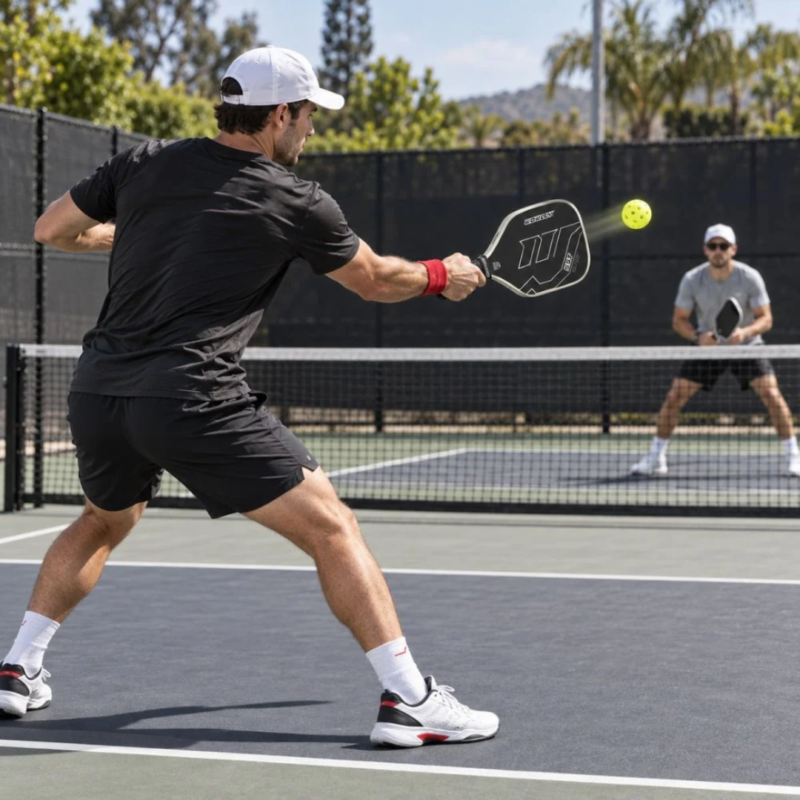
How to Test a Lightweight Paddle Before Buying
If you can test a paddle before purchasing, use a simple routine to evaluate its feel during realistic play.
- Practice quick volleys. Check whether you can reposition the paddle comfortably during fast exchanges.
- Try soft dinks and resets. Pay attention to how easily you can control the paddle face and place the ball.
- Hit several baseline drives. See whether you can generate the depth and power you want without overexerting yourself.
- Check stability on imperfect contact. Notice how the paddle responds when you do not strike the center of the hitting area.
- Evaluate comfort over time. If possible, play for a reasonable period and see whether the paddle continues to feel comfortable.
The goal is not to find the lightest paddle possible. It is to find a paddle that supports your technique, playing style, and comfort.
Frequently Asked Questions About Lightweight Pickleball Paddles
What is considered a lightweight pickleball paddle?
A lightweight pickleball paddle is commonly defined as one weighing under approximately 7.3 ounces (207 grams), although definitions vary among manufacturers and guides. Always check the actual listed weight.
Are lightweight pickleball paddles better for beginners?
They can be, especially for beginners who value quick handling and maneuverability. However, some beginners may prefer a midweight paddle because it offers a more balanced combination of power, stability, and control.
Do lightweight pickleball paddles provide more control?
A lightweight paddle can be easier to reposition during delicate shots, which some players associate with better control. However, control also depends on technique, paddle balance, construction, and experience.
Do lightweight paddles have less power?
They may provide less natural momentum than heavier paddles, so some shots can require more effort. However, swing speed, technique, and paddle construction also influence power.
Are lightweight paddles good for doubles?
They can be a good fit for doubles players who value quick reactions and maneuverability during fast exchanges at the kitchen line. The best choice still depends on individual preferences and playing style.
Is a carbon fiber pickleball paddle always lightweight?
No. Carbon fiber describes a material used in paddle construction, not a specific weight category. Some carbon fiber paddles are lightweight, while others fall into midweight or heavier categories.
Can a lightweight paddle help reduce arm fatigue?
Some players find lighter paddles less tiring to swing over long sessions. However, comfort varies, and paddle weight alone cannot guarantee that fatigue or discomfort will be prevented.
How do I choose the best lightweight pickleball paddle?
Compare actual weight, balance, grip size, core construction, surface material, and overall comfort. Consider your playing style and test different paddles whenever possible.
Where can I buy lightweight pickleball paddles online?
You can explore the Lightweight Pickleball Paddles collection at DinkArmor. DinkArmor is an online store specializing in pickleball equipment and accessories, with worldwide shipping.

Final Thoughts: Are Lightweight Pickleball Paddles Right for You?
Lightweight pickleball paddles can be an excellent option for players who value fast reactions, easy maneuverability, and comfortable handling. They may be especially appealing to doubles players, control-oriented players, and beginners who prefer a paddle that feels easy to move.
However, lighter does not automatically mean better. A slightly heavier paddle may offer the power or stability you need, depending on your technique and playing style. The best paddle is the one that helps you play comfortably and confidently.
Before making your decision, compare the specifications, think about the shots you want to improve, and consider how the paddle feels during real play.
Find Your Lightweight Pickleball Paddle at DinkArmor
Looking for lightweight pickleball paddles to match your playing style? DinkArmor is an online pickleball specialist offering equipment and accessories for players who want to enjoy the game with confidence. We ship worldwide, so you can explore our collection wherever you play.
Explore our collection, compare the available options, and find the paddle that fits your needs.
SHOP LIGHTWEIGHT PICKLEBALL PADDLES AT DINKARMOR
DinkArmor — Guard Your Game.